10 Coping Strategies to Lower Anxiety

Anxiety can feel so powerful, invasive, and all-encompassing that it can seem like it’s permanent. The anxiety may be related to a specific situation/fear (getting sick, planes, dogs, driving etc.), be more general (coming on suddenly, without any specific reason or identifiable cause), or be a combination of both. Anxiety isn’t just in the moment, either: it can be anxiety-provoking to anticipate our next anxious moment, causing a loop that perpetually restarts, keeping us in it’s grip and out of enjoying many aspects of life.
Although anxiety is a natural and normal biological process, it feel like there’s something wrong, broken, or flawed with us when we’re experiencing it. Having anxiety means your threat-detection system is on alert for some reason. Typically, this keeps us safe, but when there’s no real threat to our safety, it’s often some combination of hormones, stress, environment, genes, etc. that’s causing it. Often, with the support of a skilled therapist, insights can be found as to why and what can be done to begin to find and maintain real relief.
Whichever way anxiety impacts us, there are evidence-based tools we can use that are shown to reduce its intensity. What we may find most helpful is layering these strategies in a way that works for us. Using several skills together, over time, tends to help us begin to loosen the grip of anxiety. I’ll include links for more information on how and why they work throughout the post.

Sour Candy
Sour or tart tastes can provide a “safe shock” to our system and interrupt anxious thoughts or feelings. The idea is that the intensity of the taste counteracts the intensity of the anxiety on a brain-based level, since it’s difficult to navigate two intense situations simultaneously.
Pack lemon or lime slices with your food or water if you need to take a bite of one, or keep some sour candy on you. I like these or these for their intensity.
There’s also gross, weird, and nasty flavors from JellyBelly jelly beans if you want to venture into the distinct tastes of wet dog and grass… Not sour, but still intense, and can work. Finding humor in moments of anxiety can help diffuse it — laughter is one of the best ways to reduce stress and tension, so yes, jellybeans sometimes make an appearance in therapy sessions.

Color Spotting
This distraction tool asks us to find everything of a certain color and keep going through all the different colors we can think of until we feel calmer (so once we find everything around us that is red, we move onto orange, then yellow, etc.). Eye movement (even simple movement like this) tells our brain’s visual processing system to tell our body, “you’re safe”. Color spotting works because we have to look around and perhaps move our body a bit in order to spot the colors around us. This helps us regulate and distract from anxious thoughts and sensations.
Want to go deeper? Notice the textures, vibrancy, and hues of the colors around you. Name them and describe an emotion, association, or memory that comes to mind when you see this color. What would this color sound like if it were music? Note what colors you’re drawn to, and which you don’t prefer as much. What color makes you feel most calm and peaceful?
The 5 Senses (5-4-3-2-1)
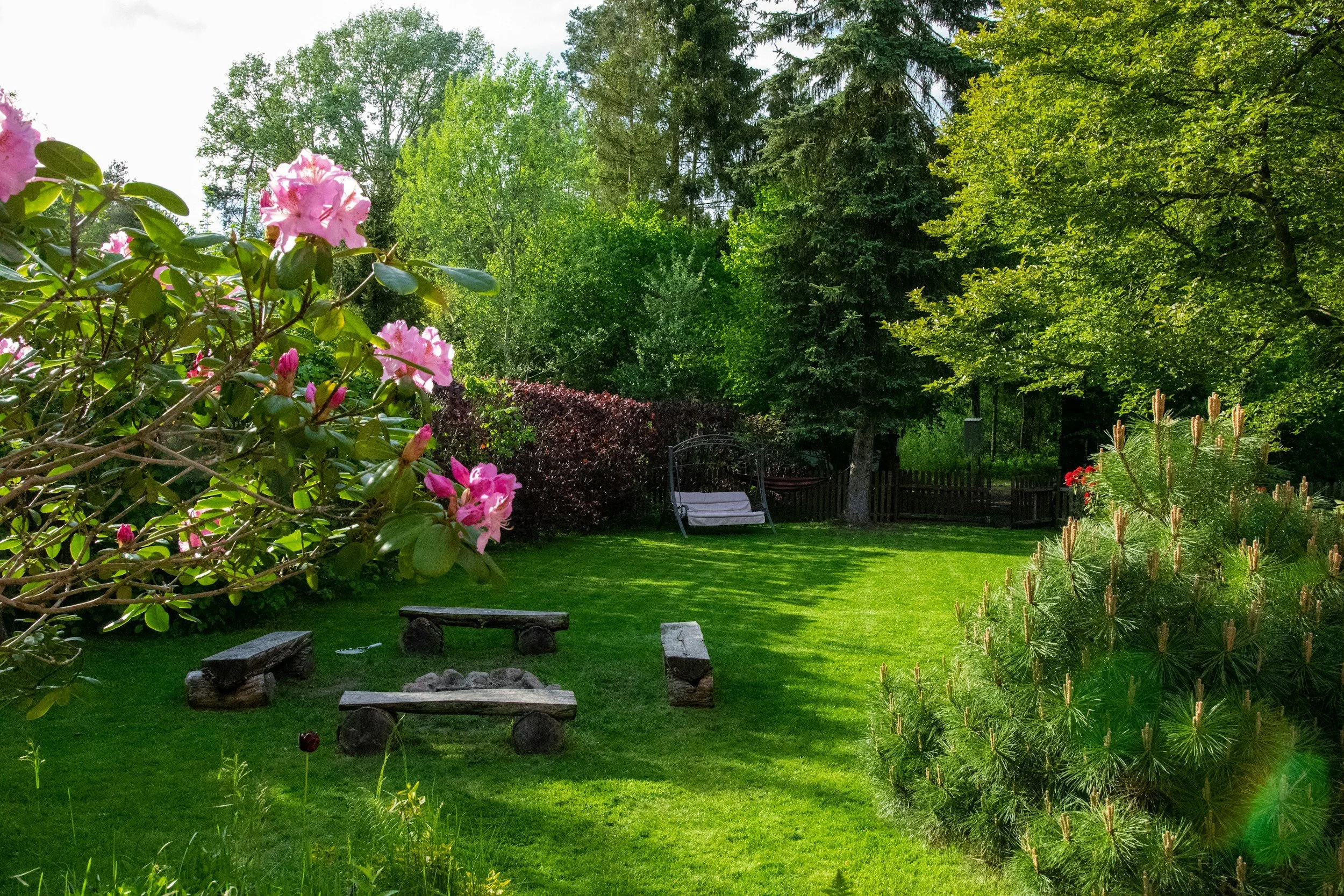
This is a popular distraction and grounding strategy that can be used just about anywhere. You can start by naming five things you can see, four things you can touch, three things you can hear, two things you can smell, and one thing you can taste. As you do this, you’re tuning into the present moment. This helps us ground into ourselves and here-and-now, and access calm and regulation.
Strong Smells
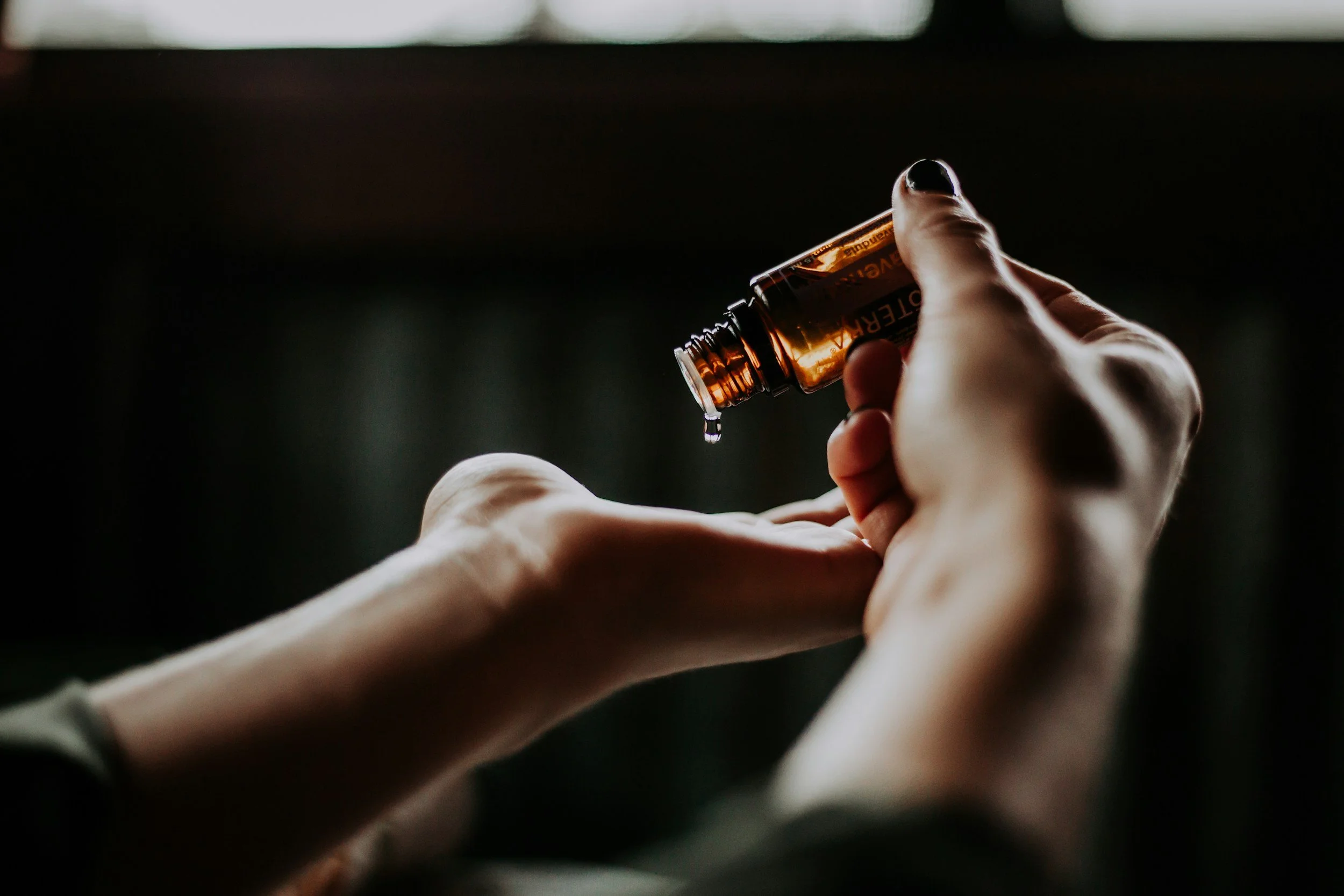
Similar to the tart/sour taste strategy, smelling a strong smell can be effective at intercepting strong thoughts and feelings since we have trouble focusing on both at the same time so it can be an effective way to interrupt anxiety. It can also be simultaneously soothing if we enjoy the smell. As long as it distracts us and is potent enough, it can support relief from anxious thoughts or sensations. It can also aid in breathing techniques, as we take in a smell, mindfully experience it, and focus on it.
There are many scented items out there, and sometimes the easiest (and most economical!) is to keep an essential oil bottle nearby (such as peppermint, tea tree, orange, or any that you identify as strong to you). There’s also rollerballs to apply to your skin, scent-infused jewelry, body wraps, pillows and pillow mists, body oils and lotions, etc.

A Hug
The more hugs, the better. To be specific: 8 seconds is best. When we hug someone for 8 seconds or more, we release feel-good chemicals that promote sensations of love, safety, and calm, but also bolster us physiologically by lowering our heart rate, blood pressure, and cortisol level. Hugs have been shown to boost immunity, heart health, and even block pain signals. Getting a facial or body massage can also help us achieve calm and reap the benefits of touch.
Weighted blankets were designed to mimic the comfort of a firm hug, and can be a useful tool for anxiety. Some people prefer a blanket over a hug (and the benefits are still there, thanks to deep pressure stimulation), so this can be a useful way to get some of the benefits if hugs just aren’t your thing.

Physiological Sigh
A true sigh of relief not only has a sound in the exhale, but a feeling in the body: shoulders drop, jaw eases, hands open, and eyes relax. The “physiological sigh” breathing technique mimics this level of relief. Start by taking a deep inhale through your nose, and without exhaling, taking a second breath to reach capacity in your lungs, followed by exhaling slowly with a relaxing, audible sigh.
I like this breathing technique amongst many others, such as 4-7-8 breathing and square breathing. With children who have anxiety, you can place a toy on their stomach while they breathe to demonstrate diaphragmatic breathing (expanding the area below the lungs, not the chest) and teach them breathing techniques such as “birthday cake breathing” or “hot chocolate breathing” to keep them engaged.
Legs on the Wall
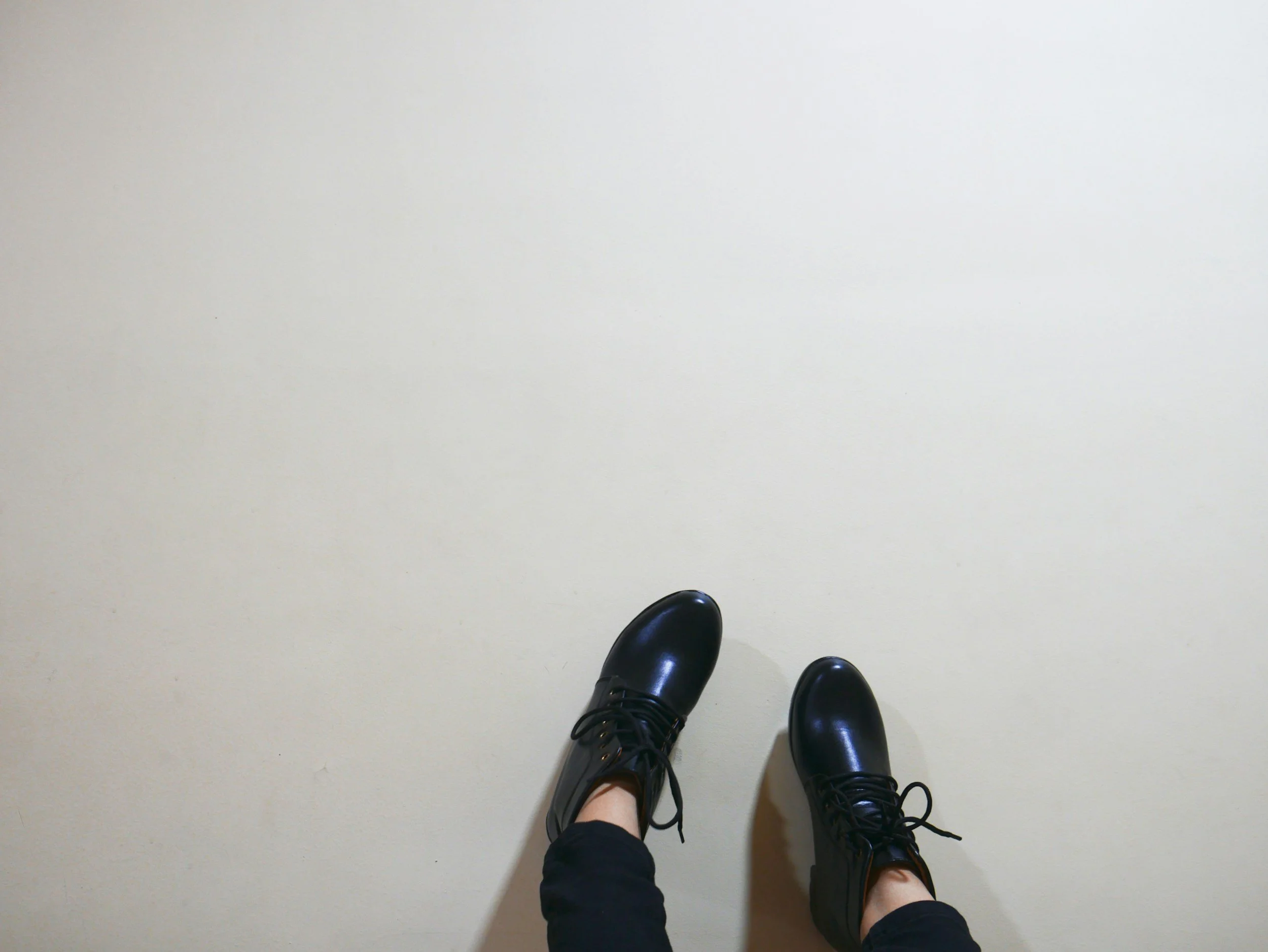
This is actually a restorative yoga pose called viparita karani, which encourages our nervous system to enter into “rest and digest” mode or a non-activated, regulated state. The pose slows heart rate, lowers blood pressure, and reduces stress hormones. I sometimes recommend introducing this specific inversion pose into a bedtime routine because it is so decompressing and relaxing after a long day. It’s a great tool for anxiety or those who struggle with worry that presents around bedtime, and it can easily be utilized in tandem with guided meditation, gentle movement, breathing, aromatherapy, etc.

Dive or Bear Down
For these strategies, you’ll want to consult with your doctor first, just to be sure it’s safe for you. This is a great pair of “vagal maneuvers” (techniques that stimulate the vagus nerve) for those who struggle with a rapid heart rate - a very common yet unnerving side effect of anxiety - and are looking for a way to reduce the discomfort and sensation of that.
To bear down: take a deep breath, hold it, and strain or gently “bear down” as though having a bowel movement which creates some pressure in your chest. To dive down: take a deep breath as though you’re about to jump into water (if you’re able to actually go into some water, even better, all you need is a bowl with cool water to submerge your face into). Keep your face submerged for as long as is comfortable.

Make Art
Or try playing an instrument, writing, taking photos, journaling, singing/humming, movement - any type of creative self expression that allows you to most freely tap into how you feel in the moment - as this externalizes what we’re feeling internally. Anxiety thrives off keeping things internal, ambiguous, and subjective. By identifying our emotions and making our internal state more concrete, it helps us organize our experience more objectively and intentionally. Art has been shown to lower anxiety and stress hormones and promote a feeling of calm relaxation.
Go Towards It
When I tell my clients this strategy, I’m usually met with some resistance. How can going towards our anxiety make it better? The paradox of anxiety is that it is reduced by facing it and not running from it. This is why talking about it, drawing it, and making a plan to address it is often so relieving: anxiety thrives by making us think it’s too strong to talk about or face, yet doing just that is what often begins the process of relief.
Specific strategies like talking back to your (bossy, unhelpful, often bullying) anxiety (“Thanks for that input- negative and not based in reality- helpful!”) or asking, “where’s the evidence for this?” can be helpful steps towards going towards our anxious thoughts. One step further is to encourage anxiety to show up more (“bring it on- let’s see how anxious I can feel. I can handle this”). Finally, anxiety and excitement share certain physical sensations (increased heartrate, sweating, anticipation, tension), so telling ourselves what we feel is excitement and not anxiety may feel empowering.
Conclusion
Take some time to try these out. At first, it might feel like they won’t work or you may struggle to imagine using them. Anxiety is powerful: it tells us there’s no match for it’s power and not to bother attempting to try anything. Anxiety has many reasons for appearing, and when we are struggling with anxious thoughts and feelings, we often benefit from having some tangible strategies. However, strategies may only go so far. Adults may find it helpful to complete a quick assessment get an idea of how anxiety is impacting everyday life and if therapy or further support might be beneficial. For children, I like the SCARED assessment, found here.
If you or someone you love is struggling with anxiety, art therapy may help. The unique power of art therapy is that we can combine traditional talk therapy with the healing power of embodied approaches. When we use both brain-based, cognitive strategies with body-based, sensorial therapeutic interventions, we promote integration on a deeper level than just using one alone. Feel free to contact me below to see if we are a good fit to potentially work together.